
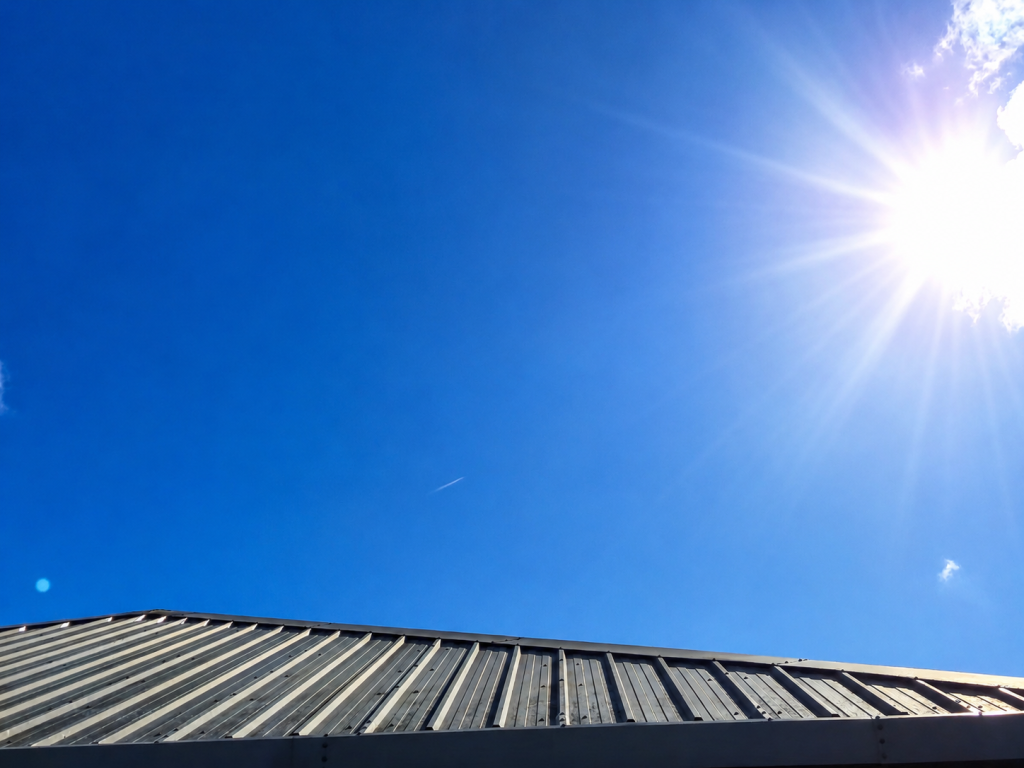
Summer brings more than warmer temperatures. Heat, humidity, heavy rain, and severe storms can all take a toll on your metal building if routine maintenance is overlooked. Whether you own a warehouse, manufacturing facility, agricultural building, commercial space, or storage structure, taking a proactive approach now can help prevent costly repairs later.
Use this summer maintenance checklist to keep your metal building performing at its best through the hottest months of the year and throughout storm season.
Inspect Your Roof for Signs of Damage
Your roof is your building’s first line of defense against both the summer sun and severe weather. Start by visually inspecting roof panels for damage, corrosion, loose fasteners, or areas where water may collect.
Pay close attention to:
- Missing or damaged fasteners
- Loose flashing around roof penetrations
- Signs of rust or corrosion
- Damaged sealants
- Ponding water from previous storms
Addressing minor roof issues early can prevent leaks and more extensive damage when summer thunderstorms arrive.
Check Gutters and Drainage Systems
Summer storms can overwhelm clogged gutters and downspouts, causing water to back up onto the roof or around the building foundation.
Inspect and clean:
- Gutters
- Downspouts
- Roof drains
- Splash blocks and drainage outlets
Proper drainage helps protect both the building envelope and the surrounding site from water-related damage.
Evaluate Doors, Windows, and Building Openings
Extreme temperatures and seasonal weather can cause wear on doors, windows, seals, and weatherstripping.
Inspect all building openings for:
- Cracked or worn seals
- Air leaks
- Damaged door hardware
- Misaligned overhead doors
- Water infiltration around windows and frames
Maintaining a tight building envelope improves energy efficiency and helps keep conditioned air inside.
Assess Sealants and Expansion Joints
Metal buildings naturally expand and contract as temperatures fluctuate. Over time, this movement can cause sealants and joints to deteriorate.
Check for:
- Cracked caulking
- Separated joints
- Dried or brittle sealants
- Gaps around penetrations
Replacing aging sealants before they fail can help prevent moisture intrusion and maintain long-term building performance.
Prepare HVAC Systems for Peak Demand
Summer is often the busiest season for HVAC equipment. A system that is working harder than necessary can increase energy costs and shorten equipment life.
Before temperatures peak:
- Replace filters
- Clean coils and vents
- Verify thermostat operation
- Inspect rooftop units
- Schedule preventative maintenance if needed
A well-maintained HVAC system improves comfort while helping control operating expenses.
Look for Signs of Condensation and Moisture Issues
Heat and humidity can create condensation problems inside metal buildings, particularly in areas with inadequate insulation or ventilation.
Watch for:
- Moisture on walls or ceilings
- Rust formation
- Mold or mildew
- Damp insulation
- Musty odors
Early detection can help prevent long-term structural and interior damage.
Inspect Wall Panels and Exterior Surfaces
Summer storms often bring high winds, flying debris, and driving rain. Walk the building perimeter and inspect wall systems for signs of damage.
Look for:
- Dents or punctures
- Loose panels
- Damaged trim
- Corrosion
- Failed sealants
Addressing exterior issues promptly helps maintain both appearance and weather resistance.
Review Emergency Repair Materials and Replacement Parts
When a storm causes damage, having access to the right replacement parts can make all the difference.
Consider reviewing your inventory of:
- Fasteners
- Sealants
- Roof accessories
- Wall panel components
- Building maintenance supplies
Knowing where to source replacement components before an emergency occurs can help minimize downtime and speed repairs.
Stay Ahead of Summer Weather
Preventative maintenance remains one of the most effective ways to protect your investment and extend the life of your metal building. By addressing small issues before they become major problems, building owners can improve performance, reduce repair costs, and better prepare for summer heat, humidity, and storm season.
If you need replacement parts, roof system components, wall panels, or expert guidance for your Butler building, the EBS team is here to help.