
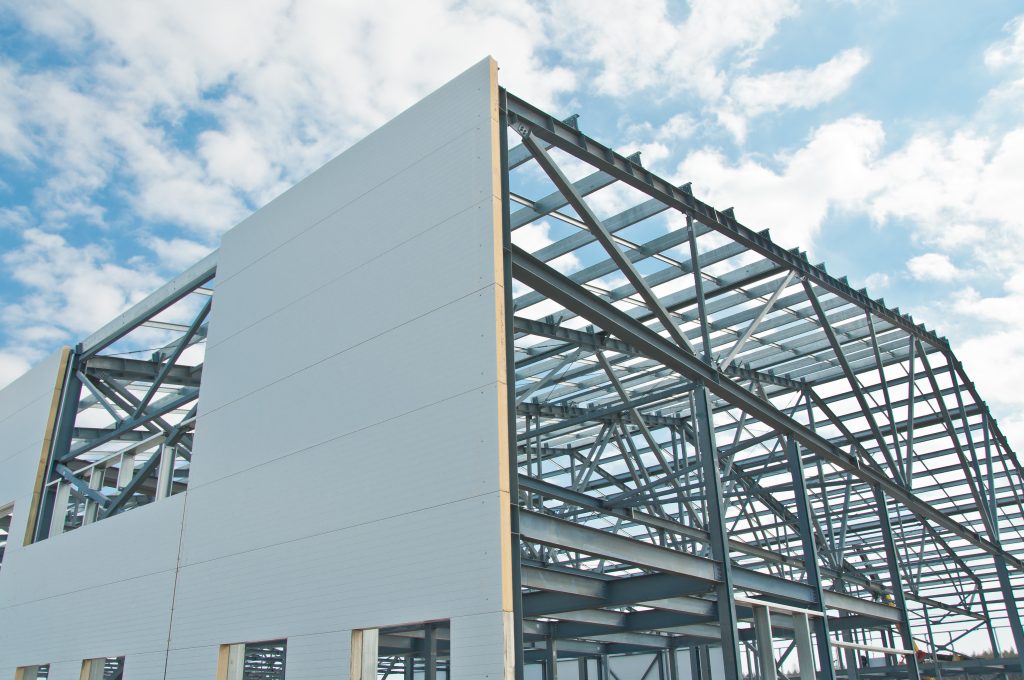
 When planning a metal building project, one of the most important decisions is how the project will be delivered. The two most common approaches are traditional design-bid-build and design-build.
Understanding the difference can help avoid delays, cost overruns, and coordination issues.
Traditional delivery: design-bid-build
In a traditional approach:
- The owner hires a designer first
- The design is completed
- Contractors bid on the finished plans
- Construction begins after award
This method can work, but for metal buildings it often leads to disconnects between the building system and the design intent.
Design-build delivery
In a design-build approach:
- The owner contracts with one team responsible for both design and construction
- The metal building system is considered early
- Engineering, detailing, and construction planning happen together
For PEMBs, this alignment is critical.
Why design-build works well for metal buildings
Design-build allows:
- Early input from the building manufacturer
- Better coordination of structure, enclosure, and foundations
- Faster schedules due to overlapping design and construction phases
- Clear responsibility when issues arise
This reduces the risk of redesign, change orders, and field conflicts.
When design-build is especially beneficial
Design-build is often the better choice when:
- Schedule is tight
- Budget certainty is important
- The building system drives the project
- The owner prefers a single point of accountability
Frequently asked questions
Does design-build reduce owner control?
No. Owners still define performance requirements, budget, and schedule. Design-build simply streamlines how those goals are achieved.
Is design-build more expensive?
Not necessarily. It often reduces total project cost by avoiding inefficiencies and rework.